History of Yelling and Tracing Your Ancestors
Photos of Yelling in the last 100 years. What’s still the same and what’s changed. (Photos courtesy of Ouida Ascroft)
-
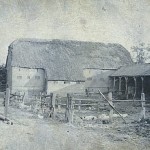
- Barn at Church Farm
-
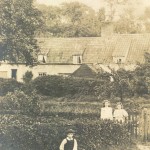
- Cottage previously attached to the Forge
-
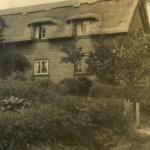
- Garland Row cottages
-
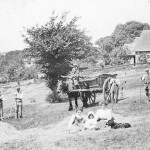
- Harvest time behind the village school
-
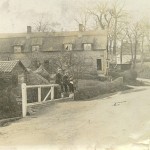
- High St and bridge below Garland Row
-
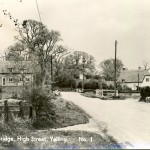
- High St and old Post Office
-
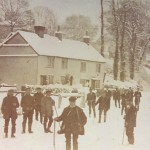
- High St in the snow
-

- Old Butcher’s shop now High Ridge
-

- Rectory Farm
-
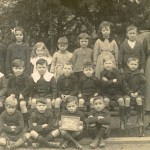
- School c1917
-
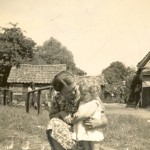
- The shoeing shed at the Forge c1934
-
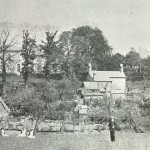
- Towards the Rectory
Slide shows of Yelling
Two slide shows of Yelling featuring the buildings and people of the village were shown at the Platinum Jubilee History Display. They can be viewed as pdfs following this link https://drive.google.com/drive/folders/1LDiBmDRXsM8b106SexTgz8YmEscPc-Y5?usp=sharing
An interactive slide show of Yelling and its surroundings, including features of the landscape as well as old and interesting buildigs, was produced in November 2025. It needs to be downloaded to your pc/laptop and acces and instructions are to be found here… http://yellingvillage.co.uk/wp-content/uploads/2025/11/Interative-Guide-of-Yelling.pdf
A brief history of Yelling
An unusually named village (taken from the manorial family GILL or GELL) is in a woodland valley and has attractive thatched and half timbered dwellings, many of which are listed buildings (15) dating from the 16th Century.
The Church of the Holy Cross is in Norman style and has four bells in the Tower dating from 1666 to 1770. Original seating was chairs and benches for 146 worshippers, now replaced by pews. A plaque commemorating Rev. Henry Venn, who lived at the Old Rectory is over the pulpit. Rev. Venn was a noted Evangelist who moved to Yelling from Huddersfield as a sick man and died in Clapham in 1797. A sketch by Miss Venn in 1822 shows the church with a steeple. The Baptist Chapel, built in 1850, was restored in 1883.
In 1868 the Board School, which is now the Village Hall, was built for 124 children from Yelling and Toseland, at a cost of £400.
1894 was the year the Parish Council was formed. Minutes from this date still exist. The village also supported six farmers, a carpenter and builder, two shopkeepers, a blacksmith, a boot and shoe maker, a saddle maker who was also the publican of the White Swan, and two carriers. Today there are only two resident farmers and none of the other craftsmen exist.
The population then was 316. Population numbers have not varied greatly. In 1901 – 242; 1931 – 220; 1971 – 298; 1991 – 278; today approx 260 in 122 dwellings. In 1972 there were 84 houses in the village, 6 of which have been demolished. By 2019 there were 131 dwellings and approximately 310 residents.
Historical Records of the buildings, people and events in Yelling
We have many more records of Yelling from the past that are available to share. Please click on the link below to see a comprehensive list of those records, some dating back to the 16th Century, including census records, grave inscriptions, baptisms, marriages and burials – please contact John Bownass bownassjohn@gmail.com for further information.
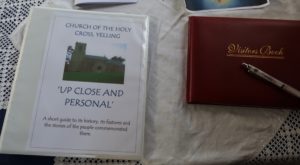
“Up Close and Personal” – a guide to our church. Click on the picture to download a copy

Village Hall, follow the link to see detailed history
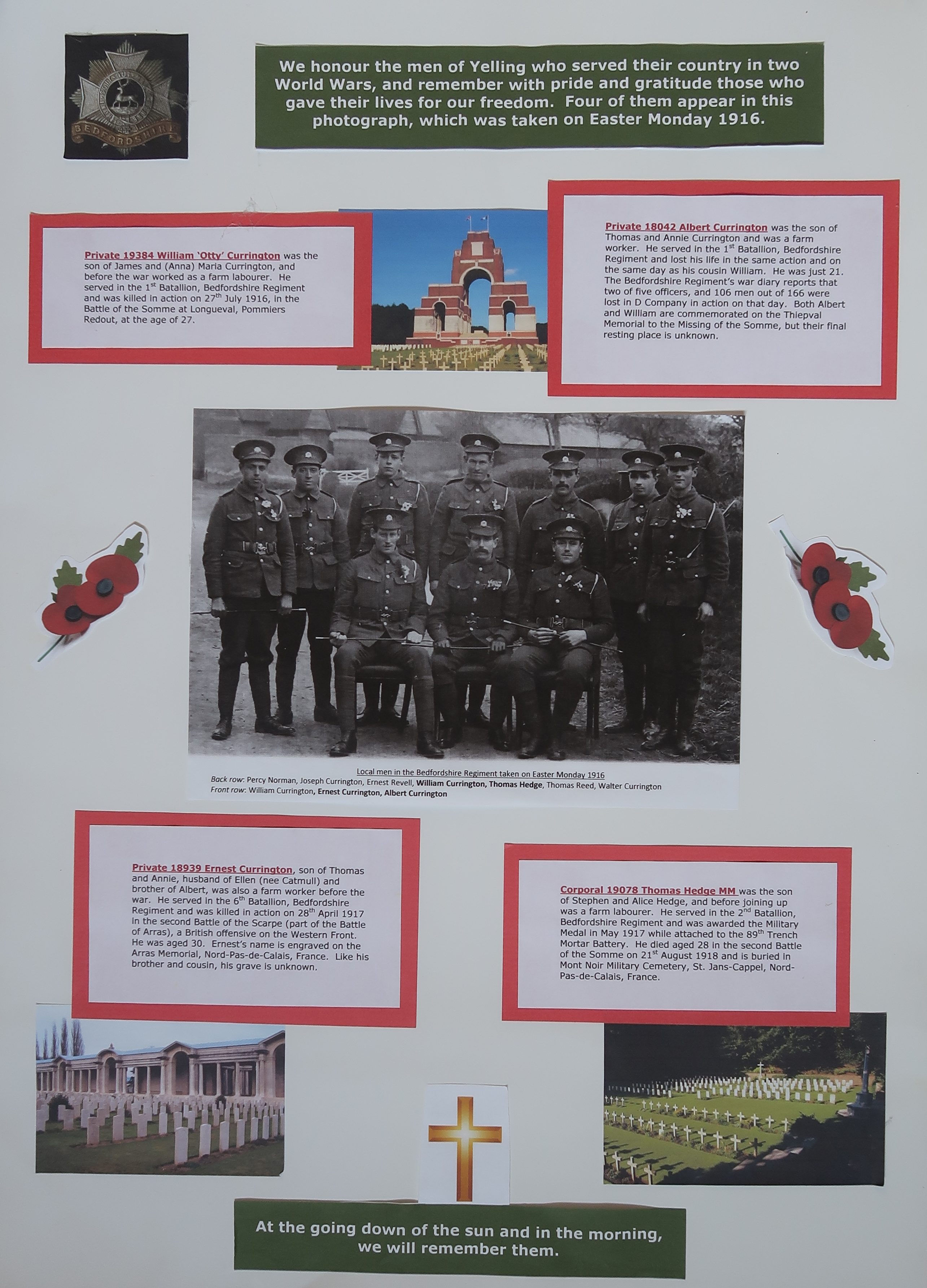
Memorial to our soldiers from WW1, follow the link
If you want help tracing your ancestors from Yelling or anywhere in the counties of Cambridgeshire and Huntingdonshire, or even further afield, then please visit the Family History Society volunteers in St Neots Library on the 4th Thursday of each month, see poster for details http://yellingvillage.co.uk/wp-content/uploads/2025/05/Surgery-St-Neots-poster-1-Dec-2024.pdf
If you want to get more involved in the history of our village and people please visit our facebook page at https://www.facebook.com/groups/1878866009146572